We’re All Mad!
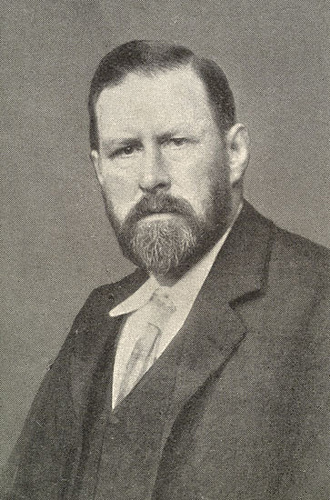
The outpouring of support for Luigi Mangione—the man who killed the CEO of UnitedHealthcare, Brian Thompson—reminds me of a paper I wrote during my college days at UCI, when I was a budding philosophy student. In it, I explored the idea that we all experience varying degrees of madness, and that, in some cases, madness can be rationally justified. This concept, rooted in Bram Stoker’s Dracula, leads me to a deeper issue: the role of idol worship in our society, particularly as shaped by a few elites—some of whom are former intelligence officers—who have notable influence over Hollywood and television.
It’s important to always ask yourself: Who is writing our scripts, and what underlying messages are they sending? Breaking Bad is a perfect modern example of how we subconsciously glorify the “good” self-proclaimed vigilante who commits immoral acts, like murder. From a young age, we’re conditioned to unquestioningly admire violent behavior in film, and this mindset inevitably establishes our moral framework, and carries over into real life—especially when such behavior is displayed on screens for a passive audience. The more we glorify it on screen, the more it becomes normalized in our culture.
In this sense, life imitates bad television, as Woody Allen once put it. And, as FCC Chairman Newton Minow famously said in his caustic 1961 speech at the National Association of Broadcasters Convention, television is “a vast wasteland.”
Next time you’re watching a show, ask yourself: What am I really watching, and who’s behind it? Is this just entertainment, or is it actively shaping the way we think about morality? Feel free to share your thoughts in the comments below.
—Alberote (12/12/2024)


 ASP StuffRadio
This is quite true; thank you for your insights
LikeLiked by 1 person
people who commit immoral acts should not be pitied when they reap the consequences
LikeLiked by 1 person